If you don’t own a car but still drive from time to time, non-owner car insurance can provide liability coverage without insuring a vehicle of your own.
Non-owner car insurance primarily covers injuries or property damage you cause while driving a vehicle you don’t own. It generally does not pay for damage to the vehicle you’re driving.
Here’s what that coverage looks like for Oklahoma City drivers.
What Does Non-Owner Car Insurance Cover?
A non-owner policy is primarily designed to provide liability coverage when you drive a vehicle you don’t own.
That generally includes two main types of coverage.
Bodily Injury Liability
Bodily injury liability can help pay for injuries to other people when you’re responsible for an accident.
Depending on the claim, that can include medical expenses and other injury-related costs, up to the limits of your policy.
Property Damage Liability
Property damage liability can help pay for property you damage in an accident.
Most often, that means another person’s vehicle. It may also apply to other property, such as a fence, building, or other structure.
How Much Liability Coverage Does Oklahoma Require?
Oklahoma requires drivers to carry minimum liability limits of 25/50/25.
That means:
- $25,000 for bodily injury to one person
- $50,000 for bodily injury to multiple people in one accident
- $25,000 for property damage in one accident
These are the state’s minimum liability requirements. The limits available on a non-owner policy can vary depending on the policy and coverage selected.
Does Non-Owner Insurance Cover the Car You’re Driving?
Generally, no.
A non-owner policy isn’t written for a specific vehicle, so it typically does not include collision or comprehensive coverage for the car you’re borrowing.
That means it generally won’t pay to repair that vehicle after an accident or cover physical damage caused by things such as:
- Hail
- Theft
- Vandalism
- Fire
- Other non-collision damage
Those types of coverage are normally connected to the vehicle itself. Non-owner insurance is focused on your liability as a driver rather than protecting a particular car.
What If the Car Already Has Insurance?
When you have permission to drive someone else’s insured vehicle, the insurance on that vehicle will generally apply first.
A non-owner policy may then provide additional liability coverage, depending on the limits and terms of both policies.
How the coverage works can vary based on the vehicle owner’s policy, your non-owner policy, and the circumstances of the accident.
What Doesn’t Non-Owner Car Insurance Cover?
Non-owner insurance has a narrower purpose than a standard auto policy.
It generally does not cover:
- A vehicle you own
- Damage to the vehicle you’re driving
- Collision or comprehensive losses
- Personal belongings inside the vehicle
- A vehicle you regularly drive or have regular access to
If you purchase a vehicle of your own, a non-owner policy isn’t a substitute for a standard auto insurance policy written for that vehicle.
Who Might Need Non-Owner Insurance in Oklahoma City?
Non-owner coverage can be useful when you still need liability insurance but don’t currently own a vehicle.
For example, you might be:
- Between vehicles and want to maintain continuous insurance coverage
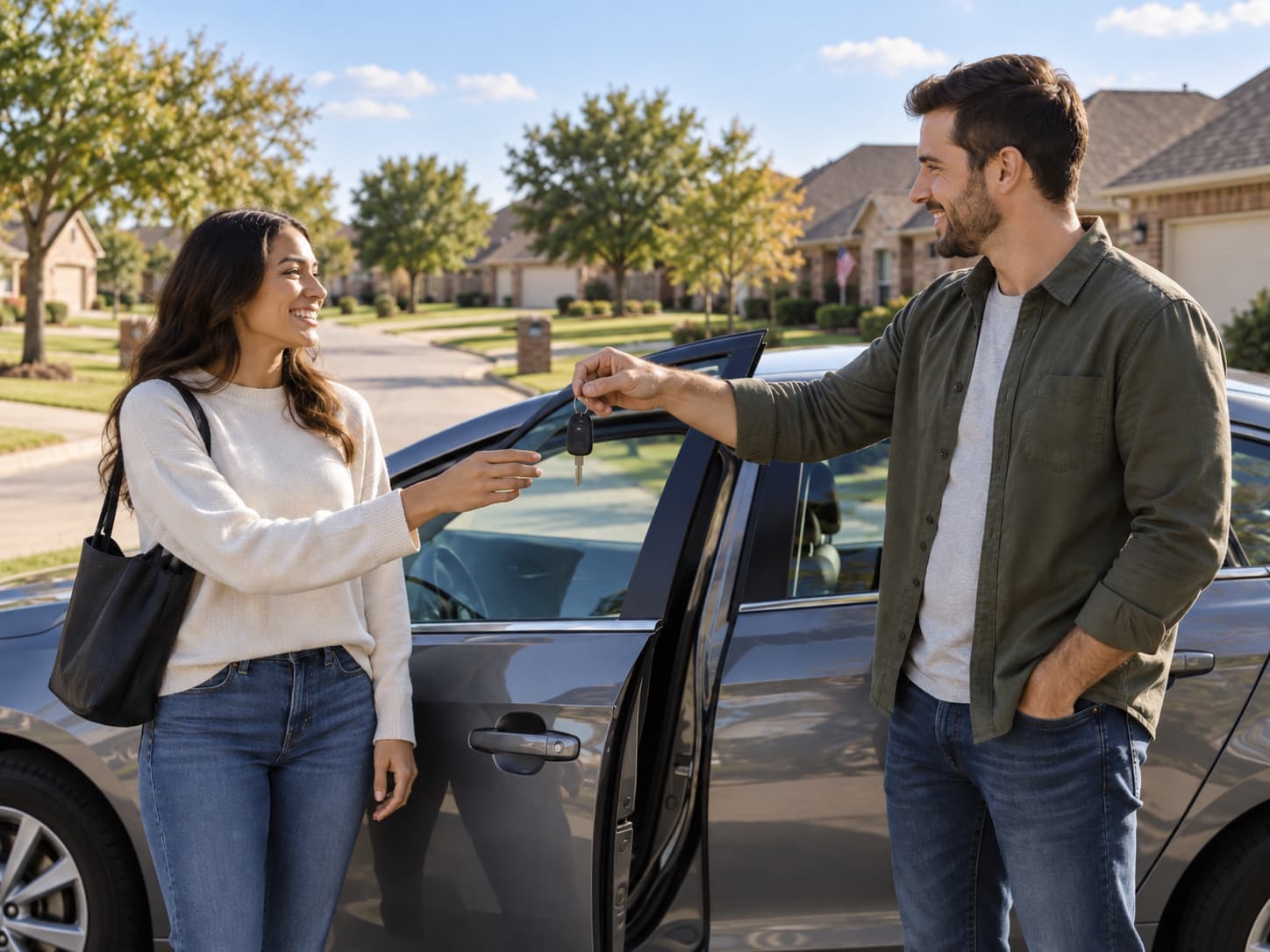
- Occasionally borrowing a vehicle you don’t own
- Working on getting your driving privileges reinstated and need liability coverage
- Planning to buy another vehicle later and want to avoid a gap in your insurance history
The common factor is simple: you need liability coverage as a driver, but you don’t have a vehicle of your own to insure.
Non-Owner Insurance Is Mainly About Liability
Non-owner car insurance serves a specific purpose. It provides liability coverage for drivers who don’t own a vehicle without adding physical damage coverage for the vehicle being driven.
For Oklahoma City drivers who are between vehicles, occasionally borrow a car, or otherwise need liability insurance without owning one, a non-owner policy can provide a practical way to stay covered.